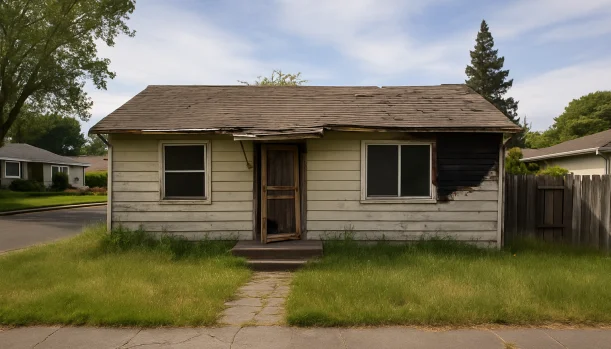
Owning a home in Danville with unresolved code violations can feel overwhelming. Whether the issues stem from unpermitted additions, aging electrical work, an old deck, or deferred maintenance flagged by the county, they can complicate a traditional sale and shrink your buyer pool. The good news is that you still have real options, and understanding them helps you choose the path that fits your timeline, budget, and stress tolerance.
What Counts as a Code Violation in Danville?
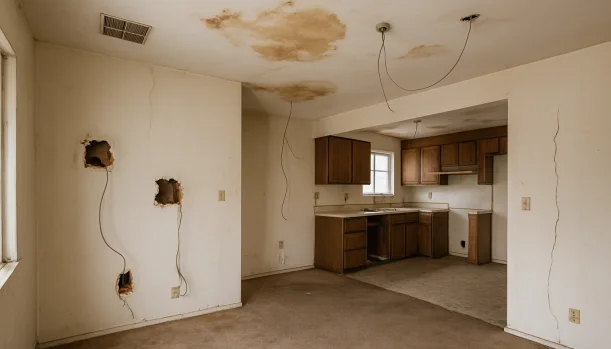
Code violations generally fall into a few buckets: building code issues (unpermitted rooms, converted garages, or non-compliant electrical, plumbing, or HVAC work), zoning issues (setback problems, accessory units used improperly), and property maintenance issues (unsafe structures, drainage, or fire hazards). Contra Costa County and the Town of Danville both play a role in enforcement depending on the property’s location and issue type.
If you’re unsure what’s on record for your property, you can review guidance from the Town of Danville and the County of Contra Costa. Requesting a permit history for your address is often the first useful step.
Your Disclosure Duties When Selling
California law requires residential sellers to disclose known material facts about the property, including known code violations, unpermitted work, and past repairs. The standard forms include the Transfer Disclosure Statement and the Natural Hazard Disclosure Statement. Trying to hide a violation can create serious liability well after closing.
For an overview of seller disclosure obligations, see the California Department of Real Estate. If your situation involves probate, foreclosure, or tax questions tied to the property, consulting a qualified professional before signing anything is a smart move.
Your Main Options: Repair, List As-Is, or Sell for Cash
1. Repair and Permit Before Selling
Bringing work up to code and pulling retroactive permits can maximize your sale price on the open market. The tradeoff is time, out-of-pocket cost, and uncertainty—inspectors sometimes require additional work once walls are opened. This route often makes sense when violations are minor and you can afford to wait.
2. List On-Market As-Is With Full Disclosure
You can list with an agent and disclose the violations upfront. Buyers using conventional or FHA financing may struggle to close on homes with certain safety or permit issues, so you may attract investors or cash buyers anyway. Expect price reductions to reflect the risk buyers are taking on.
3. Sell Directly to a Cash Buyer
A direct cash sale skips the repair, permit, and financing hurdles. A Danville cash home buyer typically purchases the property in its current condition, absorbs the code issue risk, and can often close on a schedule you help set. The tradeoff is that cash offers usually come in below fully repaired retail value because the buyer is taking on the work and holding costs.
No single path is best for every homeowner. If you have time, funds, and a straightforward violation, repairing may net you more. If the issues are complex, expensive, or emotionally draining, a cash sale can be the cleaner exit.
Practical Next Steps
- Pull your property’s permit history from the Town or County.
- Get one or two contractor estimates for bringing work into compliance.
- Talk to a local agent about likely as-is list price versus repaired value.
- Request a written cash offer to compare against the net proceeds of a traditional sale.
- Review any HOA rules if your property is in a planned community.
Comparing real numbers side by side—repair cost, agent commissions, holding costs, and likely sale price—is the only way to know which path actually leaves more in your pocket.
Talk Through Your Situation
If you’d rather skip repairs and permit headaches, Matt Buys Homes reviews Danville properties in any condition and can put a no-obligation cash offer in front of you to compare against your other options. You can request an offer online or call (855) 698-4552 to discuss your property. Whatever route you choose, gather your documents, get real estimates, and make the decision that fits your goals—not someone else’s timeline.
Want to Compare Your Selling Options?
Tell us about the property and your priorities. We will explain how a direct sale could compare with listing through an agent.
Discuss My Property →About this page
Reviewed by Matt at Matt Buys Homes, a Northern California home buyer.
This page explains one possible way to sell a property. A direct sale is not right for every homeowner, so compare the likely price, timing, costs, and services with a traditional agent-assisted sale before deciding.
Learn about Matt Buys Homes · Last reviewed September 25, 2026