Discovering mold in your Rescue home can feel overwhelming. Whether it showed up after a plumbing leak, roof damage from a winter storm, or years of hidden moisture in a crawl space, mold changes how you can sell your property, what you must disclose, and which buyers will realistically make an offer. This guide walks through the practical choices Rescue, CA homeowners have when a mold problem is part of the picture.
Understand What You’re Dealing With
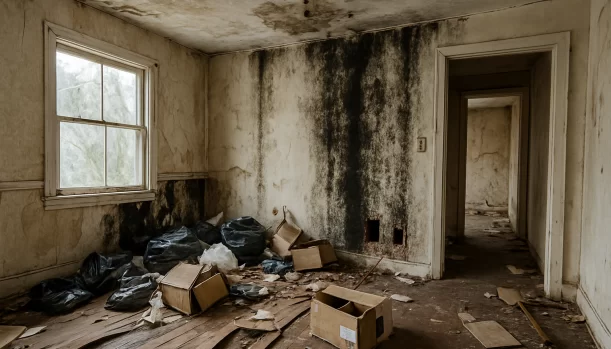
Before making any sale decision, it helps to know the scope of the issue. Small surface mold on a bathroom ceiling is very different from widespread contamination behind drywall or in HVAC systems. A licensed mold assessor can test air quality and identify the type and extent of growth. The U.S. Environmental Protection Agency publishes free guidance on mold cleanup and when professional remediation is warranted (epa.gov/mold).
Rescue sits in a semi-rural part of El Dorado County where many homes have well water, septic systems, and older construction features that can hide moisture problems. Knowing the source of the mold matters because buyers and their inspectors will ask.
Your Disclosure Obligations in California
California requires sellers to disclose known material facts about a property, including mold and moisture issues. The Transfer Disclosure Statement and related forms are outlined in state law, and the California Department of Public Health publishes information on mold and health that sellers should review (CDPH mold page). Attempting to paint over or hide mold before a sale can lead to serious problems after closing, so honest disclosure protects you regardless of which selling path you choose.
Three Realistic Paths to Sell
1. Remediate and List on the Open Market
If the damage is contained and you have time and money, professional remediation followed by a traditional MLS listing can bring the widest buyer pool. You’ll likely need documentation from a licensed remediation company, and lenders financing the buyer may require a clearance letter. This path usually returns the most money but involves out-of-pocket costs, temporary displacement in some cases, and a longer timeline.
2. List As-Is With Full Disclosure
You can list a mold-affected home as-is on the MLS. Expect fewer offers, more inspector-driven negotiations, and difficulty with conventional financing. Cash investors and buyers using renovation loans (like FHA 203k) may still be interested. An agent experienced with distressed properties can help you price realistically.
3. Sell Directly to a Cash Buyer
Working with a Rescue cash home buyer lets you skip repairs and inspections, and closing timelines are typically shorter than financed sales. The tradeoff is that cash offers account for repair costs, holding expenses, and investor margins, so the net proceeds are usually lower than a fully repaired home would fetch on the open market. This route often makes sense when the remediation cost is high relative to home value, when you’ve inherited a property you don’t want to fix, or when you need to move on quickly.
How to Compare Your Options
Before committing, get at least two remediation bids and one comparative market analysis from a local agent for both repaired and as-is scenarios. Then request a cash offer and compare the net numbers side by side after subtracting repair costs, agent commissions, holding costs, and your time. The right answer depends on your finances, timeline, and how much project management you want to take on.
If you’re weighing a direct sale, you can request a no-obligation cash offer here and use the number as one data point in your decision.
Practical Next Steps for Rescue Homeowners
- Photograph the affected areas and note when you first observed the mold.
- Fix the moisture source if you can safely do so — ongoing leaks will make any solution temporary.
- Gather any records of past water damage, roof repairs, or plumbing work.
- Talk to a tax professional if the property is inherited or if you’re considering a short sale.
- Get multiple opinions before signing anything.
Talk Through Your Situation
Every mold situation is different, and no single selling method is right for everyone. If you’d like to discuss your Rescue property and see whether a direct cash purchase makes sense alongside your other options, call Matt Buys Homes at (855) 698-4552. There’s no pressure and no obligation — just a straightforward conversation about what your home might sell for as-is.
Want to Compare Your Selling Options?
Tell us about the property and your priorities. We will explain how a direct sale could compare with listing through an agent.
Discuss My Property →About this page
Reviewed by Matt at Matt Buys Homes, a Northern California home buyer.
This page explains one possible way to sell a property. A direct sale is not right for every homeowner, so compare the likely price, timing, costs, and services with a traditional agent-assisted sale before deciding.
Learn about Matt Buys Homes · Last reviewed September 25, 2026