Financial hardship in San Francisco can arrive from many directions: a job change, medical bills, divorce, an inherited property you cannot maintain, or falling behind on a mortgage. When your home is part of the problem, it can also be part of the solution. Before you decide how to sell, it helps to slow down and compare the real options available to you as an owner in the Bay Area so you choose the path that fits your situation, not someone else’s timeline.
Understand the Hardship You’re Facing First
The right sale strategy depends on the pressure you’re under. A homeowner two payments behind has different options than one already served a notice of default. If you’re behind on your loan, contact your servicer about loss mitigation and ask what programs you may qualify for. The Consumer Financial Protection Bureau explains borrower rights and the timeline servicers must follow in this overview of the foreclosure process. For California-specific protections, including required outreach before a notice of default, review the California Attorney General’s foreclosure resources.
If the hardship is tied to probate, tax debt, or a lien, resolving the underlying paperwork usually has to happen before or alongside a sale. The IRS has a straightforward explanation of federal tax liens and how they’re released at closing, which is a common sticking point during a distressed sale.
Compare Your Selling Options
There is no single best way to sell a San Francisco home under stress. Each path has tradeoffs.
List with a real estate agent
A traditional listing can produce the strongest price when the home shows well and you have time. The tradeoffs are prep work, showings, agent commissions, buyer financing contingencies, and a closing window that is often 30 to 60 days once you accept an offer. If foreclosure or another deadline is looming, that timeline may not work.
Short sale or loan workout
If you owe close to or more than the home is worth, ask your servicer about a short sale, loan modification, forbearance, or repayment plan. These can protect your credit better than foreclosure, but they require lender approval and documentation. A HUD-approved housing counselor can walk you through the paperwork at no cost — you can find one through HUD’s counselor search.
Sell directly to a cash buyer
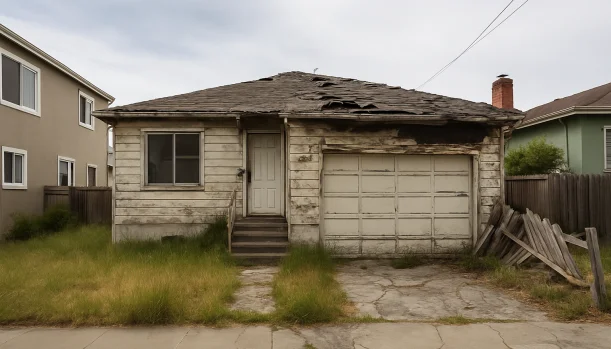
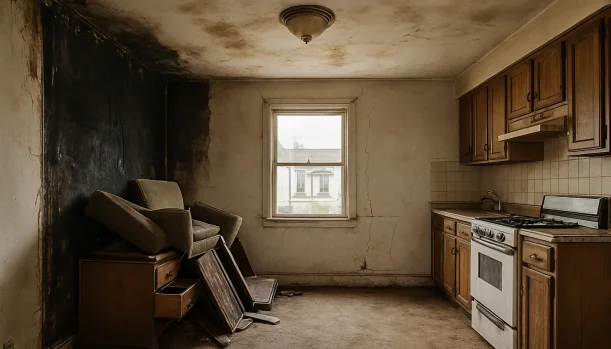
A direct sale to a San Francisco cash home buyer skips repairs, showings, and financing contingencies. That can be useful when the home needs work, when tenants or heirs are involved, or when you need a defined closing date. The tradeoff is that a cash offer is typically lower than a fully marketed retail price because the buyer is taking on repairs, holding costs, and risk. Ask any buyer to explain how they arrived at their number and what fees, if any, come out at closing.
Practical Next Steps Before You Sign Anything
- Gather your loan statement, property tax status, any lien or HOA notices, and the deed.
- Get at least two opinions of value — one from a local agent and one from a direct buyer — so you can compare net proceeds, not just headline price.
- Ask each buyer whether the offer is assignable, what the earnest money is, and what the inspection or due-diligence period looks like.
- If probate, divorce, or bankruptcy is involved, confirm who has authority to sign before accepting any offer.
- Read every document. If something isn’t clear, ask for it in writing.
If you want to see how a direct offer stacks up against a listing, you can request a no-obligation cash offer and use that number as a baseline while you weigh your other options.
When a Direct Cash Sale Makes Sense — and When It Doesn’t
A direct sale tends to fit best when speed, certainty, and condition matter more than squeezing out the last dollar: an inherited home across the country, a property with deferred maintenance, a pending sale date, or a household that simply needs to move on. It’s usually not the right fit if your home is move-in ready, your timeline is flexible, and you have equity to protect — in that case, a traditional listing will likely net more.
If you’d like to talk through your situation with no pressure, call Matt Buys Homes at (855) 698-4552. We work with owners across Northern California and the Bay Area and can walk you through what a direct sale would look like for your property, or point you toward a better fit if that’s what the numbers show.
Want to Compare Your Selling Options?
Tell us about the property and your priorities. We will explain how a direct sale could compare with listing through an agent.
Discuss My Property →About this page
Reviewed by Matt at Matt Buys Homes, a Northern California home buyer.
This page explains one possible way to sell a property. A direct sale is not right for every homeowner, so compare the likely price, timing, costs, and services with a traditional agent-assisted sale before deciding.
Learn about Matt Buys Homes · Last reviewed September 25, 2026